


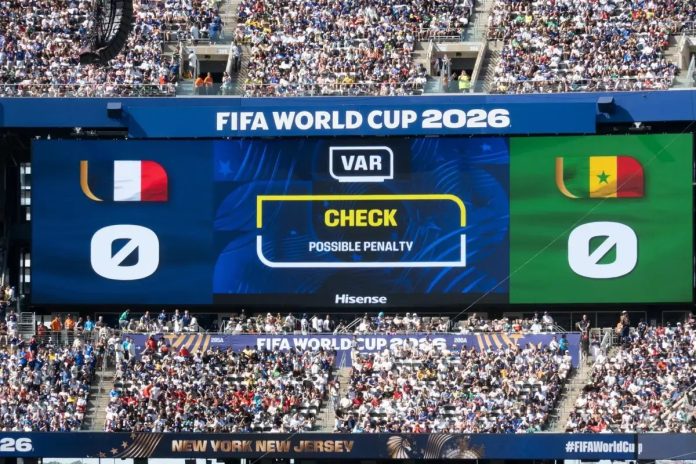
A technological decision has stripped joy from millions of fans during the most thrilling phase of the World Cup, leaving the football world questioning: is VAR killing the spirit of the game? In a competition filled with epic moments, a millimetric intervention by the video assistant referee erased, in seconds, what could have been one of the greatest stories of triumph in this tournament.
The World Cup has been a stage for intense emotions, with Lionel Messi shining, the United States surprisingly competent, and crowds of fans flooding into America, enchanted by the atmosphere and the celebration. However, all this euphoria suffered a considerable blow when, in the round of 16 clash between Croatia and Portugal, Joško Gvardiol scored an absolutely miraculous goal in the 13th minute of stoppage time, when only 10 had been indicated. The equalizer brought pandemonium of joy to the Croatian stands, with Gvardiol instantly becoming a national hero, in a moment that seemed destined to go down in the history of Croatian sport.
O MUNDIAL 2026 VIVE-SE COM A LEGO
The explosion of euphoria was, however, brutally interrupted. The VAR, using sensor technology inside the ball, detected an almost imperceptible touch from another Croatian player with his head, putting Gvardiol in an offside position. A detail impossible to capture with the naked eye, but fatal for the Croatian aspirations, who saw a dream shattered by a decision of mere millimeters. The goal was disallowed, the stadium plunged into silence, and Croatia was eliminated—all due to a decision derived from an algorithm and confirmed by a “heartbeat graph” broadcast live.
This episode raises fundamental questions: is the obsession with technological precision destroying the most authentic aspects that football has to offer? The competition thrives on moments like this – unpredictable, thrilling, capable of uniting a country around an improbable achievement. Now, many fear that this World Cup will be marked not by Messi's flashes of genius or unexpected campaigns, but rather by clinical decisions made by sensors and computers.
The debate is not new. Video refereeing has brought justice to many dubious incidents – “VAR disallows a goal for handball? Perfect. Clear offside? Great,” many fans will say. The problem arises when technology surpasses the limits of human perception and begins to penalize invisible details, such as “a hair touching the ball,” critics mock. Recently, similar cases have been seen: Pete Crow-Armstrong of the Cubs was eliminated in a play where his hand slipped from the bag for a fraction of a second; Iran was eliminated due to an offside called by millimeters detected by the electronic ball system.
FIFA explained, after the match, that “the IMU sensors present in the Trionda ball can detect any contact, presenting this information to viewers through a heartbeat graph, allowing referees an unprecedented level of data for quick and accurate decisions.” But does this accuracy serve the spirit of football? Gvardiol himself, incredulous after the final whistle, lamented: “We drew strength from who knows where, we did the impossible and, suddenly, a computer thousands of kilometers away decides it doesn’t count.” For the Croats, nothing can compensate for this feeling of cold and impersonal injustice.
Looking ahead, it is inevitable that the controversy surrounding VAR will continue to fuel discussions. The governing bodies of football now face a dilemma: continue to invest in technology that guarantees mathematically impeccable decisions, but which may drain the emotional and unpredictable side of the game, or step back and restore some margin to the human imperfection that has always characterized football. This World Cup will, for now, be marked by this shadow. The appeal from fans and players is clear: “Do not kill football with technology without soul.”
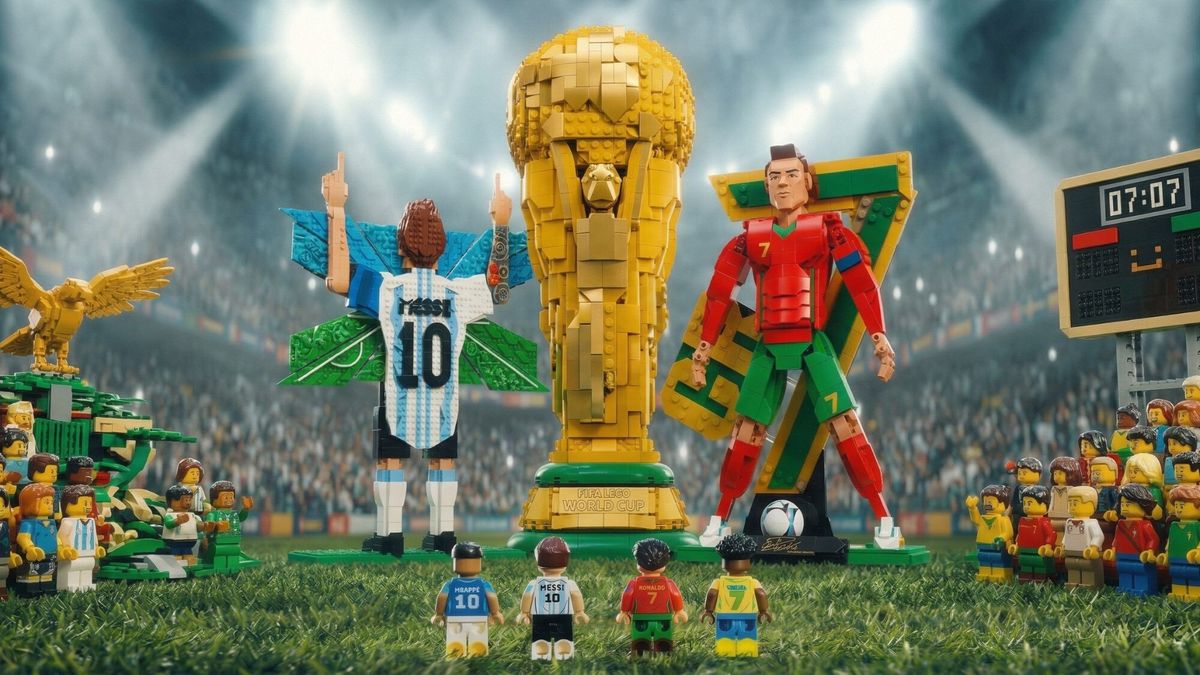
O MUNDIAL 2026 VIVE-SE COM A LEGO
What is at stake is not just a result. It is the essence of the beautiful game, the spectacle that captivates millions, the magic of moments that transcend logic and mathematics. If nothing changes, we risk seeing future World Cups remembered less for the feats of players and more for the machines that decided who continued to dream.
NOW YOU CAN FOLLOW THE WORLD CUP WITH ALL THE INFORMATION – HERE
Discover more from Apito Final
Subscribe to get the latest posts sent to your email.

