


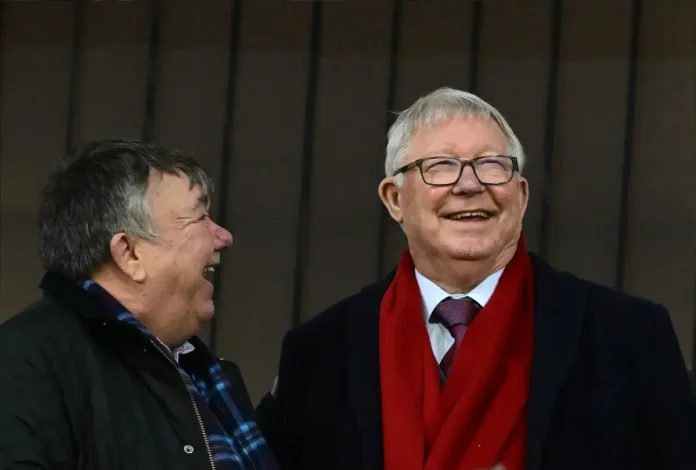
On the cold night of last week, Glasgow was the stage for a remarkable achievement in the world of football, as Martin O’Neill, the revered manager of Celtic, joined an extremely select group of coaches who have reached the impressive milestone of 1,000 professional matches. This achievement is not just a matter of numbers; it represents a career filled with challenges, victories, and the ability to adapt in an environment where pressure is constant and managerial turnover is alarming.
The League Managers Association (LMA) recognizes only 40 managers who have reached this milestone, including legends like Sir Alex Ferguson and Brian Clough. However, it is evident that longevity in the role is becoming increasingly rare. In recent years, the landscape has changed drastically, with a growing number of managers being dismissed at an alarming rate. Since January 1, 2013, 165 managers have taken on their first role, and a shocking statistic reveals that 56% of them failed to secure a new job after that experience.
Currently, in England, the situation is critical: the average time a manager spends at the helm of a club in the top four divisions is just one year and nine months. Although there has been a slight improvement compared to previous seasons, where the average was one year and four months, the reality remains bleak. The days when a manager could dream of building a solid and lasting team seem to be behind us; now, the focus is on survival.
O’Neill, who turns 74 this Sunday, not only celebrated his milestone with Celtic, but he did so at a club that is a true passion for him. For many, like myself, who have also reached the 1,000-game mark, this is a testament to the commitment and resilience needed to stay in the game. My own journey reached this point in 2016 with West Brom, in a match that could not have been more symbolic, against my former club, Stoke.
O’Neill’s story is emblematic of an era where coaches were often promoted from lower divisions, learning the trade at smaller clubs before reaching the top. This trajectory was common among many of the great names who are now references in football, such as Bill Shankly and Howard Wilkinson, and it is an approach that many believe should be encouraged again.
My own experience as a coach began at Bournemouth in 1992. At that time, the future was uncertain, and the pressure to succeed was palpable. I remember a conversation with Alec Stock, one of the members of the 1,000 games club, who advised me on the importance of a three-year plan. The first year would be to assess the players and the club’s structure, the second to implement changes, and the third to reap the rewards of hard work.
These pieces of advice remain relevant, especially in a landscape where turnover is the norm and patience is scarce. What will be necessary to ensure the longevity of coaches in modern football? O’Neill and others like him prove that, despite the challenges, there is room for permanence and the building of lasting legacies in the sport.
Discover more from Apito Final
Subscribe to get the latest posts sent to your email.

