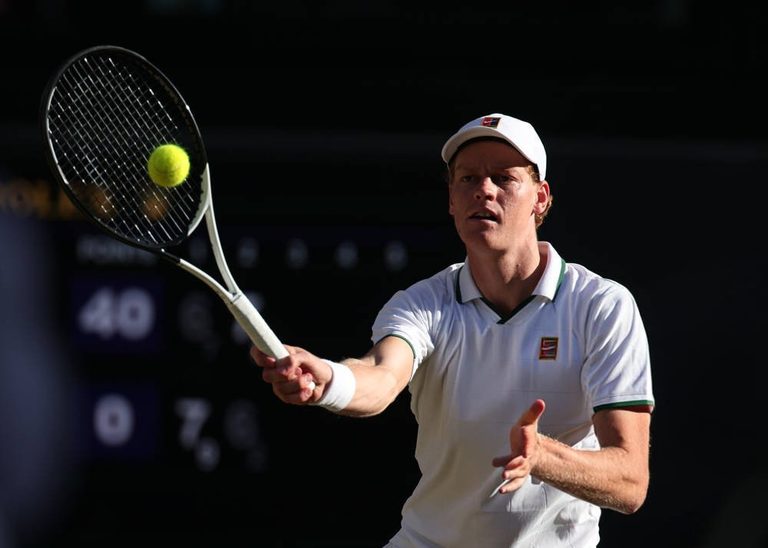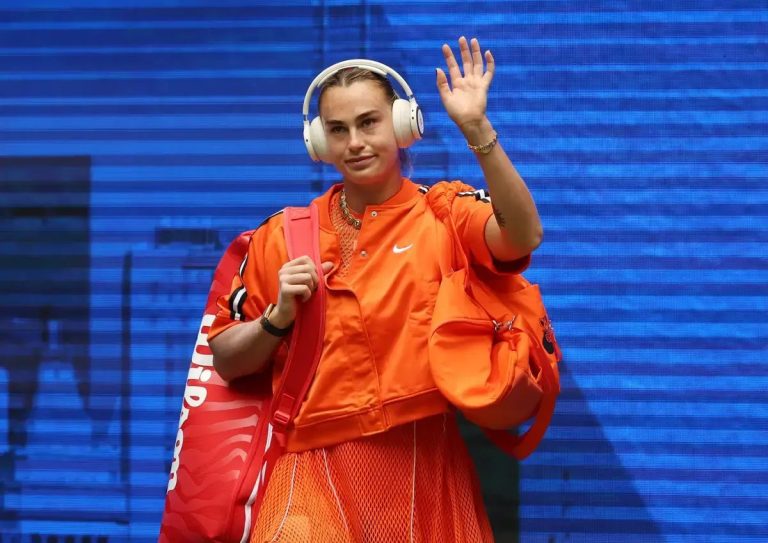
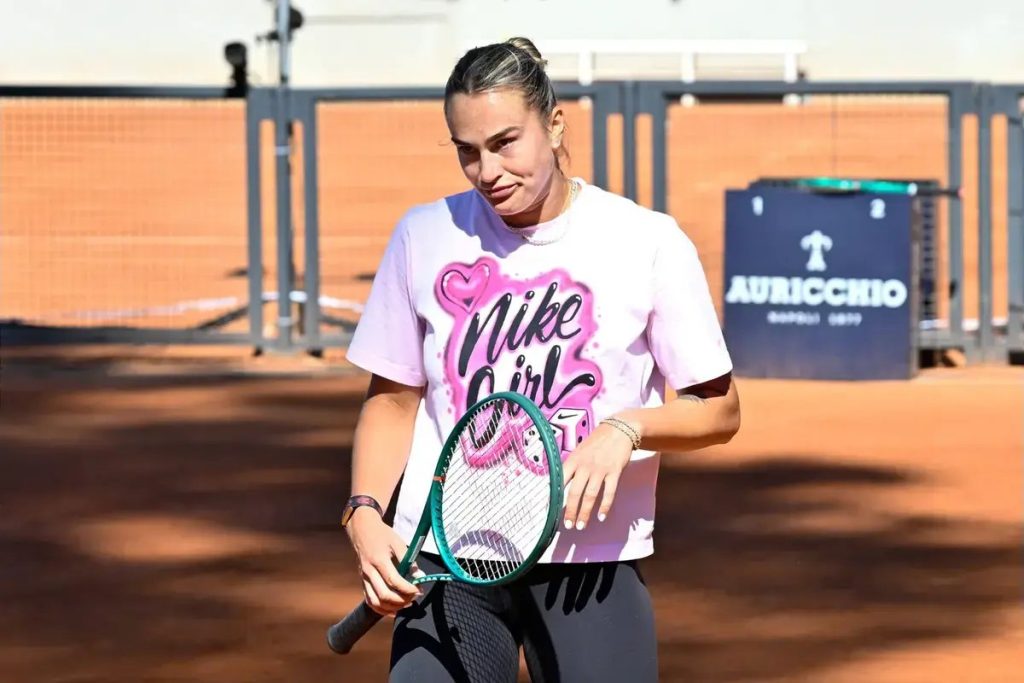
The revolt is growing in the world of tennis! With the French Open approaching, major stars of the circuit such as Novak Djokovic and Aryna Sabalenka are not hiding their frustration over the manifestly insufficient increase in prize money. In a scenario where tournament profits are soaring, the share given to players remains a mere crumb, fueling a financial and structural crisis that threatens to shake the foundations of the sport.
Last Monday, a forceful statement from the players made it clear that the 9.5% increase in prize money announced on April 16 does not meet their expectations. Despite the remarkable growth in revenues from the French Open, which reached $463 million last year—a 14% increase compared to previous years—the total prize money only rose by 5.4%, reducing the players’ direct share to a meager 14.3%. Projections for this year point to revenues exceeding $469 million, but the percentage allocated to athletes is expected to remain below 15%.
This discrepancy between the financial growth of the tournament and the compensation offered to players is one of the main reasons for dissatisfaction. “The announcement does not address the structural issues that players have consistently and reasonably raised over the past year,” the statement reads. The tennis players denounce the lack of progress in player welfare and the absence of a formal mechanism that allows them to participate in decisions regarding the Grand Slams.
The resistance of Grand Slam leaders to change is another critical point. “The Grand Slams continue to resist change. The lack of consultation with players and the ongoing disinvestment in their well-being reflect a system that does not adequately represent those who are the core of the sport’s success.” This strong message comes from players who demand, above all, respect and a voice in decision-making.
Among the signatories of the original letter were prominent names such as Jannik Sinner, Novak Djokovic, Alexander Zverev, and Carlos Alcaraz, as well as ten of the eleven best female players in the world. However, the complexity of the conflict is evident: Djokovic did not sign the second letter, nor the most recent one, which adds tension to the debate.
Iga Swiatek, the winner of the women’s circuit, was clear: “It would be great if the Grand Slams wanted to talk to us, because that’s how it should be, and I don’t understand why there isn’t a more open dialogue.” This call for communication and transparency is a cry that resonates within professional tennis.
In addition to the public discord, the battle extends into the legal arena. The Professional Tennis Players Association (PTPA), founded by Djokovic in 2021 and from which he distanced himself in January of this year, has taken an aggressive stance, filing several lawsuits against organizations and tournament promoters. One of the most controversial cases is against the organizers of the US Open, where the PTPA reported that, in 2024, the tournament generated $12.8 million from the sale of a special cocktail — an amount greater than the total paid to the singles champions.
This fight centers on the fair distribution of tennis revenues. While the prize money for the French Open represents only about 15% of projected revenues, combined ATP and WTA Tour events distribute around 22% to the players. To grasp the disparity, American professional leagues like the NFL, NBA, and MLB allocate nearly half of their earnings to athletes, and the WNBA secured almost 20% after a lengthy negotiation period.
Amid this heated scenario, the French Open has decided to increase the prize money, but with a peculiar focus: players in the early rounds of the tournament are the main beneficiaries, with an increase of nearly 13% in the qualifying rounds and those eliminated in the first three rounds receiving about $102,000. Meanwhile, the champions, both male and female, will receive just under $3.3 million each.
Despite this slight progress, the PTPA does not hide its dissatisfaction. Last year, they filed an antitrust action accusing the ATP and WTA of operating as a “cartel” and the Grand Slams as “co-conspirators.” Interestingly, while the Australian Open chose to negotiate and reach an agreement with the PTPA in December, Roland Garros, Wimbledon, and the US Open joined forces to try to halt the legal action.
With tensions boiling and widespread discontent among players, the discussion about money in tennis, especially at Roland Garros, is far from resolved. What is at stake is the survival of a model that truly respects those who make tennis a global spectacle — the athletes themselves.
Novak Djokovic, Aryna Sabalenka, and other tennis giants remain firm in their demand for financial justice and inclusion in the decisions that shape the future of the sport. And the battle will undoubtedly continue until they are heard.
This article first appeared on Apito Final.
Discover more from Apito Final
Subscribe to get the latest posts sent to your email.