


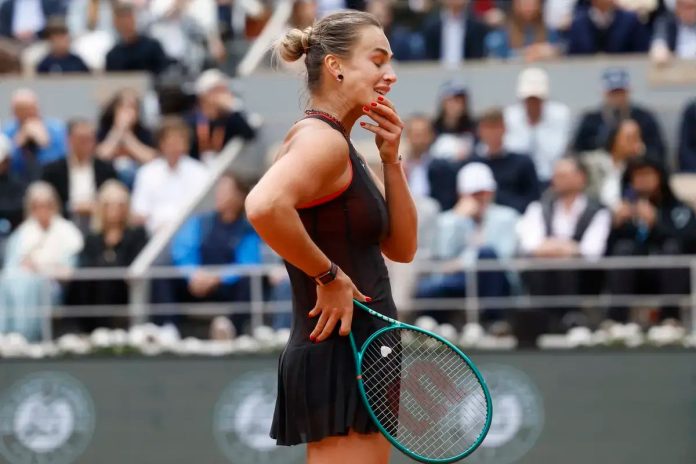
Jannik Sinner and Aryna Sabalenka engaged in a genuine behind-the-scenes battle and, at the last moment, took a step back from a decision that could have shaken Wimbledon: the threatened boycott of press conferences, which loomed like a dark cloud over the start of the London Grand Slam, was cancelled following intense negotiations and what were deemed “constructive” meetings between player representatives and the All England Club management.
After announcing that they would abandon press conferences after 15 minutes – in protest, just as they did at Roland Garros a few weeks ago – the leading names in world tennis, led by Sinner and Sabalenka, decided to backtrack. The players, dissatisfied with the current division of prize money at the Grand Slams and demanding a 22% increase, deemed Wimbledon’s proposal of a 20% raise starting in 2026 insufficient. Nevertheless, they chose not to proceed with the boycott just as the tournament is set to open its doors this Monday, June 29.

THE 2026 WORLD CUP IS EXPERIENCED WITH LEGO
This turnaround was confirmed in a statement from the players’ group, released just as everyone was expecting a start to Wimbledon marked by tension off the courts. “After constructive meetings between player representatives and the leadership of the AELTC over the weekend, the players confirmed that they will resume their normal obligations with the media starting Monday, June 29,” reads the note published by the group. The athletes justify the decision with “Wimbledon’s commitment to present specific proposals that address all three points of the players’ submission from July 2025.” However, they issue a warning: “The underlying issues remain unresolved, and the players will carefully evaluate the proposals when they are received. The players will also provide Wimbledon with additional information requested as part of these proposals during the tournament. Constructive dialogue with Wimbledon and the other Grand Slams will continue. The players and the club will not make any further comments at this time.”
The decision was immediately received with relief by historical figures of the tournament and current board members, such as Anne Keothavong and Tim Henman, who, in statements to the BBC, admitted to being “disappointed” by the prospect of a boycott before it was called off. During the BBC broadcast, Henman explained: “This conversation centers around the percentage of revenue allocated to prize money. There are only two tournaments in the world whose accounts are public: Wimbledon and the US Open. When we hear about those 22% demanded by the players, we would like to understand how their business model works.” Henman also emphasized the investments made by the tournament: “What we invest in the infrastructure – the roof of Centre Court, Court One, the Millennium Building – has benefited the players. I add that Wimbledon gives 90% of its profits to the LTA for the development of British tennis. I don’t believe the two business models are comparable. We have increased the prize money by more than £10 million, a growth of 20%, so maintaining the 15-minute boycott seemed disproportionate to us.”
Keothavong reinforced the organization’s position: “The tournament is on the side of the players. We believe it is fair for them to share in the tournament’s profits, but we need to bring everyone into the same room and have constructive discussions. We advocate for the creation of a players’ council so that communication is direct. They say they want to help lower-ranked players, and Wimbledon has made that effort: losing in the first round is now worth £80,000, compared to £30,000 ten years ago. The qualifying prize money has increased by 25%. We have listened to the players and are trying to help. There is a lack of constructive dialogue.”
With the threat of a boycott removed, Wimbledon kicks off free from media controversies, at least for now, and with heightened attention on the performances of Sinner, Sabalenka, and other stars. The outcome of this saga leaves in the air the pressure on the AELTC to present concrete proposals by next year and increases expectations regarding the future of negotiations between players and Grand Slam organizations.
The next stage will be a detailed analysis of the proposals promised by Wimbledon, which could determine peace or reignite conflicts between athletes and officials. For now, fans and journalists can breathe a sigh of relief: tennis will continue to be discussed both on and off the court, but without boycotts overshadowing the 2024 edition. It remains to be seen whether this truce will hold or if we are merely witnessing the beginning of a new era of demands from the protagonists of world tennis.
NOW YOU CAN FOLLOW THE WORLD CUP WITH ALL THE INFORMATION – HERE
Discover more from Apito Final
Subscribe to get the latest posts sent to your email.

