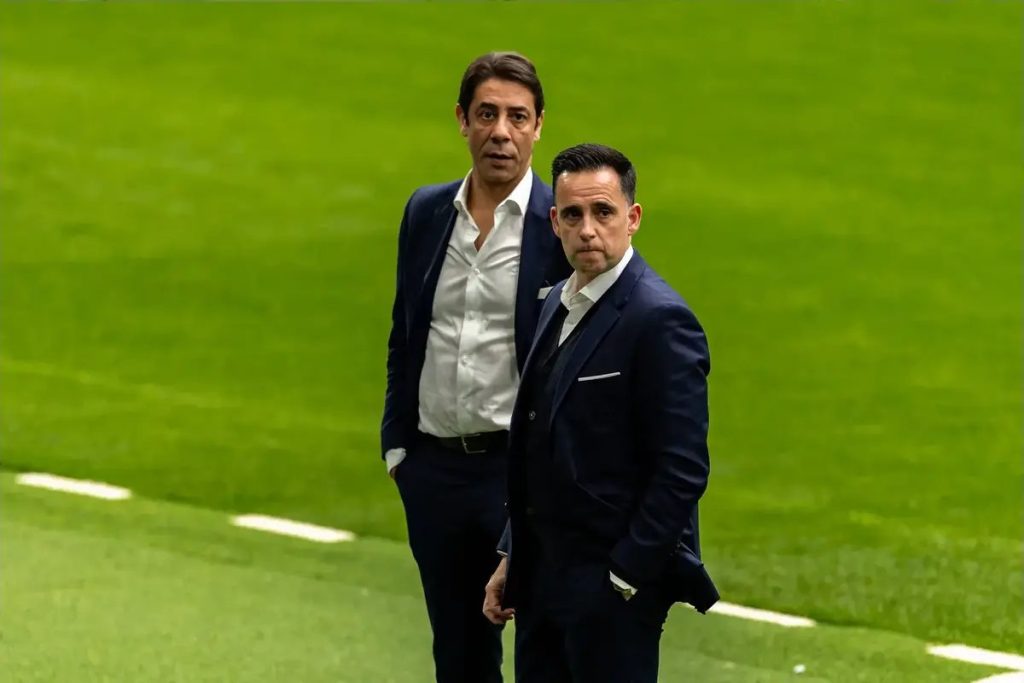
The approval of the activity plan and budget for the upcoming season by Benfica was a show of strength from Rui Costa, but the truth is that behind the scenes, the red house is far from breathing easy. With Marco Silva already on the ground leading the work, the restructuring of the squad is slow to progress, leaving fans and observers on edge, especially as access to the group stage of the Europa League requires maximum concentration and preparation from the very first minute.
On Saturday, the club’s General Assemblies took place without incident — a relief for Rui Costa, who saw the members endorse the proposed direction for 2024/25. However, alongside internal stability, concerning signs persist regarding the composition of the squad. Several players are still on duty with their national teams at the World Cup, others have uncertain futures, and uncertainties are multiplying. Marco Silva, newly appointed as head coach, wants to avoid the usual fragmentation of “each color its own taste,” seeking a truly cohesive and harmonized group for the European and national challenges ahead. Rui Costa and Mário Branco, the sporting director, are now under pressure to accelerate market operations that seem stalled, lest they jeopardize the competitive start of the season.

*The World Cup is experienced with LEGO*
[THE 2026 WORLD CUP IS EXPERIENCED WITH LEGO](https://www.lego.com/pt-pt/categories/football/football-gifts-toys)
The moment is critical: after a season in which Rui Costa lost leverage with the members, the bet on Marco Silva was received as a breath of fresh air. The new coach brought enthusiasm and hope, but such capital can quickly run out if the team does not deliver practical results. Furthermore, during the General Assembly, the leadership faced threats of “zero tolerance” towards the FPF and refereeing, but the truly explosive topic was the centralized sale of broadcasting rights.
Nuno Catarino, the club’s spokesperson on this matter, made Benfica’s position clear: “as long as we do not receive one euro less than what we achieve, we do not oppose an increase in revenue being distributed among the other clubs.” In other words, Benfica accepts the centralization model only if its current earnings remain intact, thus putting a brake on the aspirations for a reform that many had already considered settled. Catarino stated this at the end of Saturday’s General Assembly, emphasizing that the club’s SAD will not hesitate to resort to the courts if it feels its rights are infringed. This public warning stirs the waters of national football and threatens to halt the centralization process, one of the most sensitive issues of the decade for Liga Portugal.
The importance of this position is undeniable: the centralization of broadcasting rights is seen as a crucial step towards the modernization and financial sustainability of Portuguese clubs, but if Benfica decides to proceed with legal action, it could drag the process out for years and provoke a devastating domino effect on the expected revenues for the other clubs. The uncertainty about the amounts that operators will actually be willing to pay — and not the inflated figures that have been circulated — is another factor of instability. The scenario of a breakdown is on the table, and national football may face a new cycle of legal battles, to the detriment of all.
In the disciplinary and arbitration plan, the departure of Duarte Gomes from the Technical Directorate of Refereeing of the FPF was met with concern. A respected and pedagogical figure, Gomes distinguished himself by avoiding corporatism and opacity, characteristics that are scarce in the sector. “Despite too many inexperienced referees being thrown into matches where more seasoned officials were advised, there was always the opportunity throughout last season to monitor how they were evaluated, which held them accountable internally and enhanced credibility externally,” commented an official connected to the process. The question now is whether the model of meritocracy and transparency established by Gomes will survive his departure. The post-Duarte Gomes era will be scrutinized to the letter — as in any modern organization, only rigor and a clear separation between merit and mediocrity will ensure the credibility of the sector.
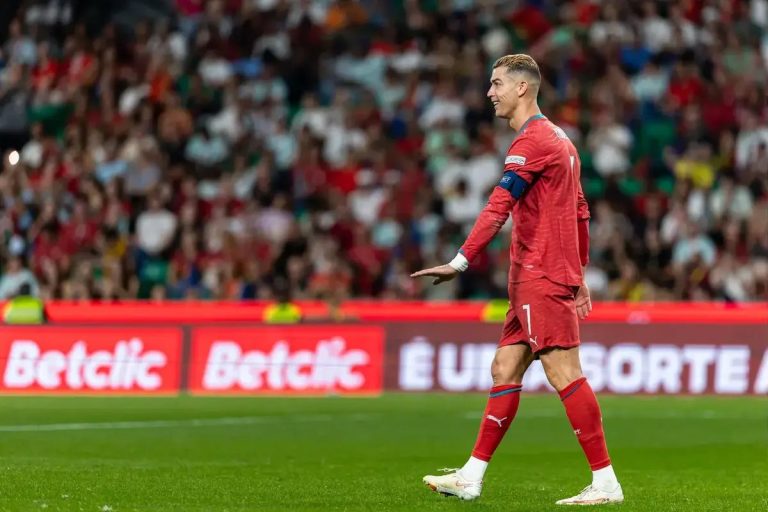
Amid this turmoil, the national team also deserves attention. Diogo Costa, goalkeeper for FC Porto, was pivotal against Colombia in the North America World Cup, with several high-difficulty saves preventing a setback in Miami. His performance, praised by many, is a balm for Roberto Martínez’s team, which is seeking defensive stability ahead of the clash with Croatia — a match that is expected to be crucial for Portuguese aspirations.
Benfica, for its part, will have to expedite its decisions: with the market heating up and Marco Silva’s demands on the table, Rui Costa cannot hesitate. The future of the club and Portuguese football is now at stake behind the scenes of television negotiations, in legal offices, and, above all, in the timely response of the Benfica squad. The clock is ticking, and the pre-season atmosphere promises to be anything but peaceful.
NOW YOU CAN FOLLOW THE WORLD CUP WITH ALL THE INFORMATION – HERE
Discover more from Apito Final
Subscribe to get the latest posts sent to your email.