


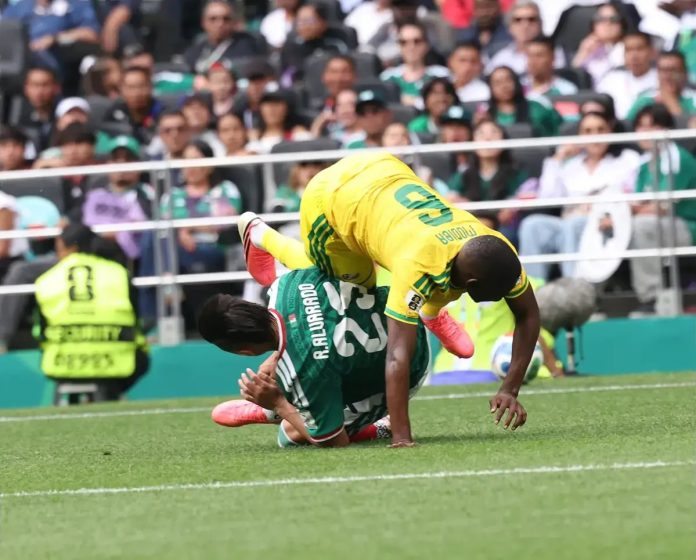
Three red cards in a single opening match and an atmosphere of total bewilderment in the stands: the new rules of the 2026 World Cup are already shaking the world of football and igniting debate among fans, players, and experts. The start of the competition was marked by controversial decisions, widespread confusion over the new VAR regulations, and timed substitutions that caught everyone by surprise. The FIFA, determined to revolutionize the beautiful game, made a point of placing referees in the spotlight even before the second round got underway.
The kickoff of the 2026 World Cup brought with it three red cards right in the opening match, an absolutely unusual number for a game with such visibility. These expulsions resulted from the implementation of FIFA’s new guidelines, which include stricter disciplinary measures and expanded VAR authority. The match took place in a packed stadium, with millions watching around the world, but confusion ensued when substitutions were delayed by rules that few understood, and VAR intervened in unprecedented situations, such as corner kicks and cases of mistaken identity.
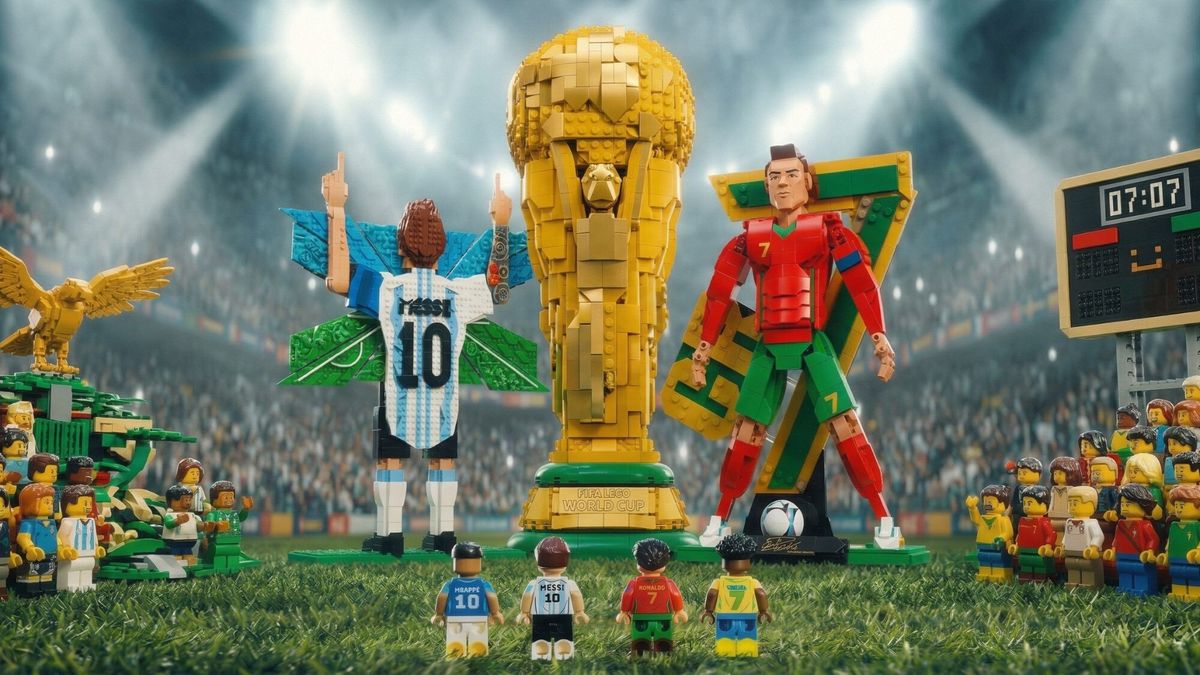
*The World Cup is experienced with LEGO*
[THE 2026 WORLD CUP IS EXPERIENCED WITH LEGO](https://www.lego.com/pt-pt/categories/football/football-gifts-toys)
These radical measures come in the wake of an effort by FIFA to speed up the pace of games, eliminate time-wasting, and provide referees with more effective tools to correct blatant errors. The implications are profound: teams forced to adapt on the fly, players constantly under scrutiny, and fans questioning whether traditional football is disappearing before their eyes. For critics, the new regulation may compromise the authenticity of the game; for others, it is an essential evolution to ensure fairness and spectacle on a global stage.
One of the most controversial changes relates to the expansion of the VAR’s powers. For the first time in a competition of this magnitude, video referees can intervene in decisions related to corner kicks, second yellow cards that are incorrectly issued, and player identification errors. The VAR can also act on infractions committed before set pieces, if these have a direct impact on a goal, penalty, or disciplinary measure. This unprecedented scope has generated confusion among fans, who are used to seeing VAR only in situations of goals, penalties, direct red cards, or identity errors. Now, referees have a powerful tool to correct what FIFA considers “clear and obvious errors” before the game resumes.
The revolution doesn’t stop there: substitutions are now subject to strict time control. Players have only ten seconds to leave the field after the substitution process begins. If they fail to do so without a valid justification, the incoming player will be prevented from entering until the next stoppage, with a minimum wait of one minute. This measure aims to curb the classic time-wasting in the final minutes, but many fans have expressed their bewilderment on social media at the rigidity of the new rule right from the first games.
In the disciplinary chapter, FIFA has tightened the rules regarding behavior towards referees. A player who covers their mouth, arm, or shirt while confronting an opponent can be sent off with a red card – a measure aimed at facilitating investigations and preventing abuse or unsportsmanlike conduct away from the cameras. Players and technical staff who leave the field in protest against refereeing decisions also risk expulsion. After the opening match, which ended with three red cards, the debate has ignited: is this the new face of world football?
Asked after the controversial match, the coach of the affected team lamented the impact of the new rules: “It’s difficult for everyone to adapt immediately. The players were confused by the instructions and the VAR decisions. We need clarity and time to adjust our game.” The captain, visibly frustrated, stated: “I have never experienced a game like this. We feel that any action can be grounds for expulsion. Football is changing at a dizzying speed.”
What follows promises even more controversy. Teams will have to revise strategies, train quick reactions to substitutions, and discipline their athletes to avoid automatic sanctions. Coaches are required to educate players on the new behavioral limits, under the threat of jeopardizing collective performance. For FIFA, the success of these measures will be measured by the ability to impose authority and make the games more fluid, but the risk of controversy and dissent remains high.
The question that lingers is simple: is the 2026 World Cup turning into a laboratory of experiments that alienates fans and threatens the essence of football, or is this the decisive step towards a fairer, faster, and more transparent sport? What is certain is that, with only one match played, the new rules are already the hottest topic of the competition – and they promise to continue generating a lot of discussion in the coming days.
NOW YOU CAN FOLLOW THE WORLD CUP WITH ALL THE INFORMATION – HERE
Discover more from Apito Final
Subscribe to get the latest posts sent to your email.

