


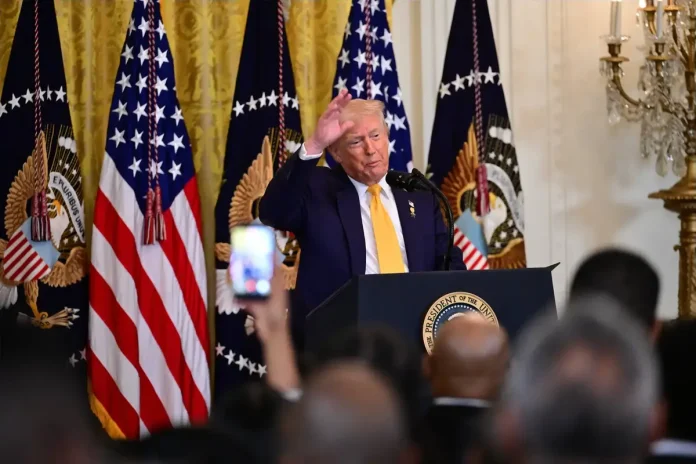
The absence of significant European allies at the first meeting of Donald Trump’s controversial “Peace Council” raises questions about the legitimacy and future of this initiative. Leaders from several European nations decided not to participate in the event, which was scheduled to discuss strategies for resolving global conflicts. This decision reflects the growing distrust towards the former president’s foreign policy, which has already been marked by tensions and divisions.
The Peace Council, an idea proposed by Trump while he was still in the White House, aimed to bring countries together to promote international stability and security. However, its inaugural meeting, which was supposed to be a significant milestone, turned out to be a deflated event, lacking the presence of influential figures from the Old Continent. What might this mean for transatlantic relations?
Trump’s statements about the importance of building bridges between nations contrast with the reality of an assembly devoid of critical and constructive voices. “Peace is our common goal, and we need everyone at the table to achieve it,” Trump stated, emphasizing the need for collaboration among countries. However, the refusal of European allies to attend suggests that trust in his proposals is no longer what it once was.
The situation worsens when considering that, traditionally, Europe has been a key partner in global diplomacy. The absence of European leaders may indicate a significant departure from Trump’s policies, which have often been criticized for their unilateral and polarizing approach. The former president, in attempting to reorganize the international dynamic, now finds himself in a scenario where many countries prefer to keep their distance.
With the growing uncertainty in international relations, the lack of support from major European nations could represent a severe blow to Trump’s image and to his Peace Council. The question many are asking is: will Trump be able to reverse this trend and bring allies back to the negotiating table, or will his peace project become yet another irrelevant chapter in modern diplomatic history?
The absence of participation from European allies is not just a matter of protocol; it is a clear signal that Trump’s vision for the future of international relations may be out of sync with the expectations and interests of his traditional partners. The former president’s next moves and his ability to regain the trust of allies could very well define the success or failure of his ambitious project. The world is watching closely, and the consequences of this first meeting of the Peace Council are still far from being defined.
Discover more from Apito Final
Subscribe to get the latest posts sent to your email.

