


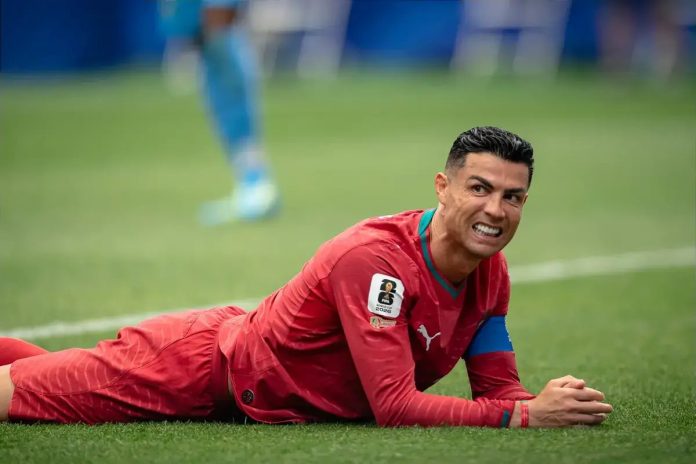
Cristiano Ronaldo has once again become the center of attention for less than desirable reasons: at 41 years old, he remains an undisputed starter for the national team, but the signs of decline are increasingly evident, raising an uncomfortable question for all Portuguese fans — is Ronaldo holding back Portugal’s potential? The one-all draw against DR Congo at the start of the group stage of the 2026 World Cup laid bare the current limitations of the captain, who seems no longer able to keep up with the competitive pace of a major international tournament.
In the match played this week, Ronaldo was on the pitch for 90 minutes but was largely absent from the game. He touched the ball only 25 times and, during the first 67 minutes, he failed to make a single shot. When he finally tried his luck, all three attempts missed the target, posing no threat to the opponent, and he could not create a clear opportunity for his teammates. The best chance to score resulted in a clumsy shot at the near post, following a low cross from Francisco Conceição — a moment where it would have been better to leave the ball for Bruno Fernandes, who was in a better position.
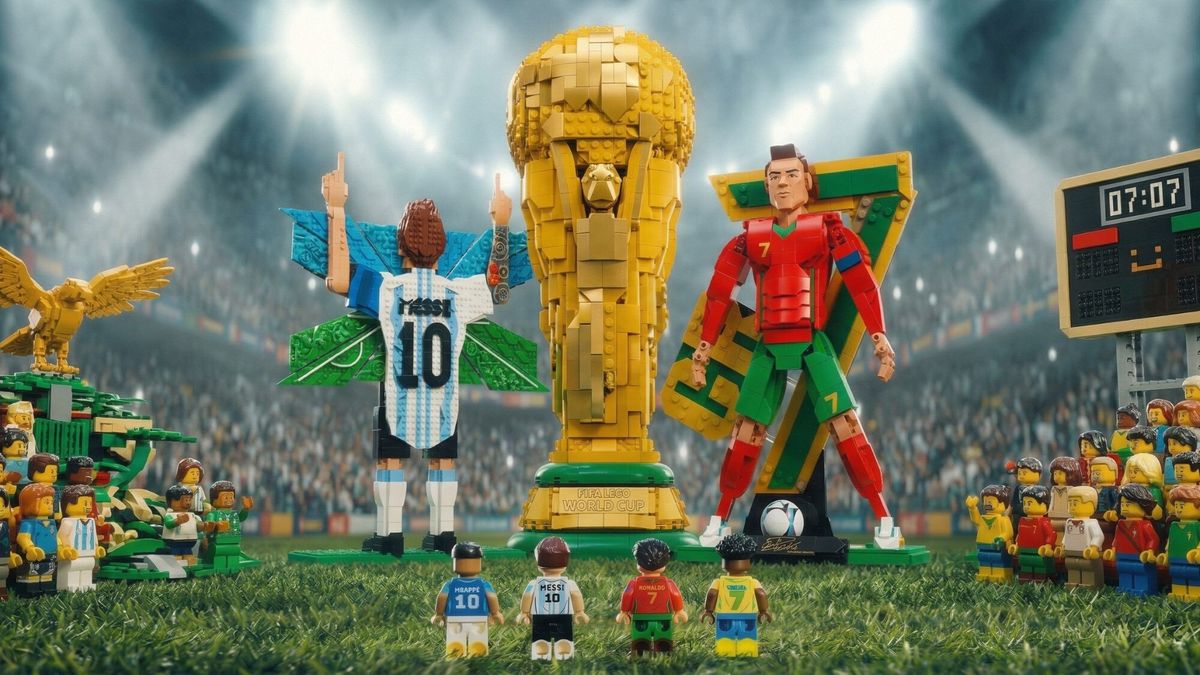
*The World Cup is experienced with LEGO*
[THE 2026 WORLD CUP IS EXPERIENCED WITH LEGO](https://www.lego.com/pt-pt/categories/football/football-gifts-toys)
The truth is that the issue of Ronaldo’s performance is not new. The Portuguese captain has been showing difficulties in major tournaments for several years. His performance in World Cups has always fallen short of expectations, especially when compared to other great names of his generation. Lionel Messi, for example, has scored 16 goals in 27 matches in final stages, while Ronaldo has only eight in 24 matches. Even more concerning: he has now gone 10 consecutive matches in final stages of European Championships or World Cups without scoring. The last goal in major tournaments dates back to his debut in the 2022 World Cup against Ghana. Since then, he has gone blank until the elimination in the quarter-finals and was even relegated to the bench by Fernando Santos in the knockout phase.
After this disappointment, Ronaldo returned to scoring in the qualifying match for Euro 2024 against Liechtenstein, but here lies another concerning fact: he has been prolific in qualifying matches and the Nations League, but in decisive moments, on the big nights, he has been absent. In Euro 2024, he did not score any goals, despite being almost always a starter. His influence is no longer what it once was — if he doesn’t score, he adds little to the game, leaving a longing for the time when he was a true whirlwind on the field.
The explanation for this decline may lie in his career choices over the past few years. Since the beginning of 2023, Ronaldo has been playing in Saudi Arabia for Al Nassr, where he continues to rack up goals and titles — he was the champion of the Saudi Pro League in 2025/26, with 28 goals in 30 matches — but the competitive demands of the Saudi league are far below the European reality. The scoring displays in the Persian Gulf feed the illusion that Ronaldo is maintaining his level, but the truth is that they do not provide adequate preparation to face organized and intense defenses, such as that of the RD Congo, which features four players from the defensive sector playing in the top European leagues.
At the end of the meeting, Ronaldo was asked about his legacy and the dream of the World Cup. In 2025, he had already stated: “I don’t dream of winning the World Cup, nor will not winning it define my career.” A statement that sparked debate, but perhaps reflects the awareness that time is no longer on his side. Ronaldo himself emphasized: “My career does not depend on a trophy; I have already made history in world football.” The words of the Portuguese captain convey a sense of calm, but also resignation, in the face of a goal that seems increasingly unattainable.
The national team now faces a strategic dilemma: should it continue to rely on Ronaldo as the undisputed starter, risking limiting the collective potential, or has the time come to prioritize renewal and give space to younger, more dynamic players? The discussion has been initiated among fans, commentators, and former internationals, with many arguing that Ronaldo’s presence at this stage is more symbolic than decisive.
With two more matches to play in the group stage, Portugal urgently needs offensive solutions and a more collective approach, or it risks compromising its objectives in this edition of the World Cup. The impact of this situation could be decisive not only for the immediate future of the national team but also for how the final stretch of Cristiano Ronaldo‘s career will be remembered. The clock is ticking, and with each game, the pressure grows for Roberto Martínez to make difficult decisions. Portugal is facing an identity question: will it remain a prisoner of Ronaldo’s glorious past, or will it know how to reinvent itself to build a new future?
NOW YOU CAN FOLLOW THE WORLD CUP WITH ALL THE INFORMATION – HERE
Discover more from Apito Final
Subscribe to get the latest posts sent to your email.

