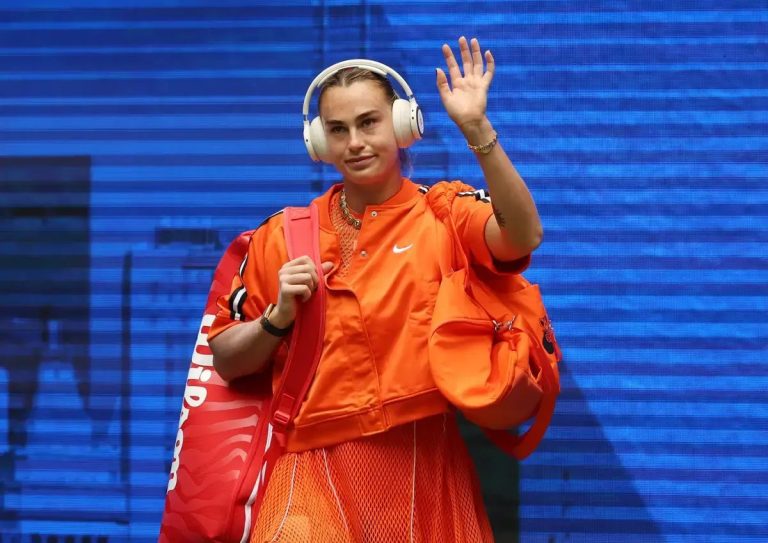
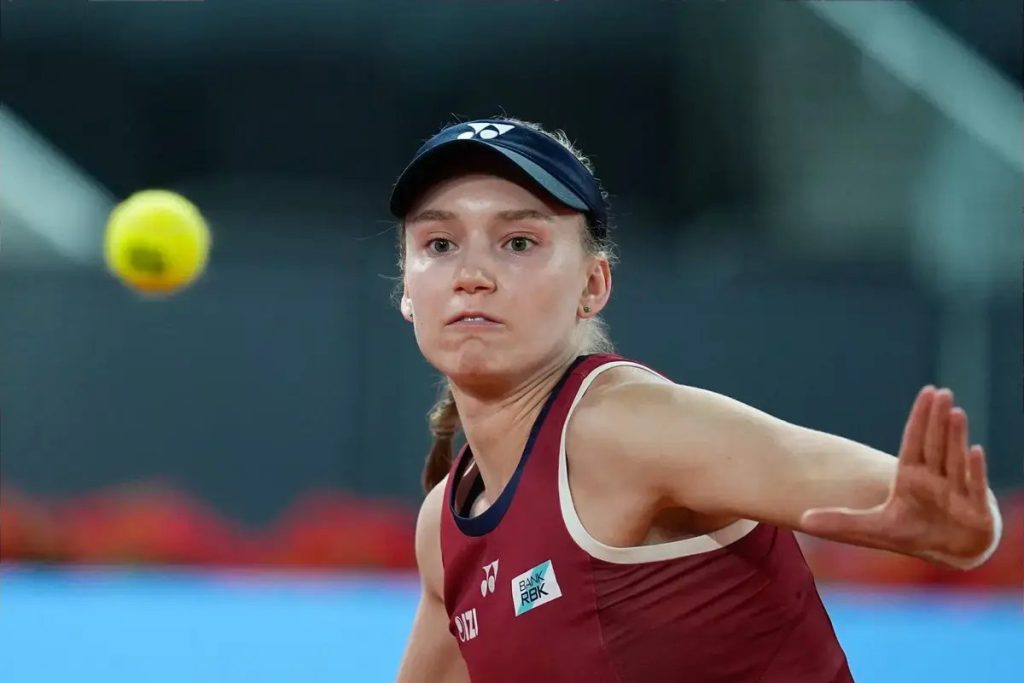
The storm is brewing in the world of professional tennis, and the epicenter is the French Open. Despite the prize pool increasing to an impressive $72.3 million – a jump of 9.53% that should calm the waters – the real battle is far from resolved. Aryna Sabalenka, one of the most controversial stars on the circuit, threatens to take the situation to the limit with a boycott, further inflaming tensions between players and Grand Slam organizers. But here comes Elena Rybakina, the current world number 2, to cool things down, labeling Sabalenka’s protest as a farce.
In an explosive start that promises to stir things up even more in the coming weeks, the Kazakh tennis player was clear and direct in a press conference in Rome: “No, I am not participating. No one has reached out to me to talk about this, neither the WTA, nor the player council, nor other players. This is not at all on my mind.” A statement that dismantles the narrative of unity that Sabalenka is trying to build around the boycott.
When asked about the Belarusian’s threat to withdraw from the tournament, Rybakina was pragmatic and measured: “It’s a difficult question because there have been so many situations in the past where players could have united to boycott, but it never happened. Honestly, I don’t know.” However, the world number 2 did not completely close the door on that possibility: “If the majority decides to boycott, then of course I would support it. It wouldn’t be a problem for me.”
What really sets Rybakina’s perspective apart is her deeper analysis of the issue that goes beyond merely increasing prize money. “The improvement we need is not just in the Grand Slams or just about raising the prizes. Many people don’t realize that there are huge taxes. Even if you earn more money, you end up giving it all away in taxes. It’s another matter. It’s complicated to talk about a boycott. Over the years we’ve had various problems, but I’ve never seen players really united to provoke real change,” she explained.
While Sabalenka maintains her aggressive and direct stance, stating during her own press conference at the Italian Open that “I think at some point we will boycott, yes,” the division becomes more evident with the support of other stars like Iga Swiatek and Coco Gauff, who have also expressed their dissatisfaction.
However, this lack of cohesion is not exclusive to the women’s side of tennis. On the men’s side, figures such as Novak Djokovic have also called for unity and collective action, criticizing the passivity of players during crucial negotiation moments. Djokovic emphasized that “I support the players, but when it was necessary for them to be active, they participated little.” For the Serbian, complaining is not enough without real commitment in meetings and discussions that shape the future of the sport.
The issue of the calendar and the extension of the duration of the Masters 1000 to two weeks, for example, is another crucial point that has provoked protests and criticisms from players. Diego Schwartzman did not hesitate to express his opinion: “Players have clearly shown their dissatisfaction with the two-week Masters 1000. This has extended the calendar by almost a month, and that overloads everyone in an already demanding season.” Increased revenue for the tournaments that, according to the ATP, should benefit the players, but in practice translates into a physical and mental strain that is difficult to manage.
With stars like Carlos Alcaraz and Alexander Zverev joining the criticism, the situation is concerning. The lack of unity among female players, highlighted by Rybakina, and the division among male players reveal a professional tennis landscape in crisis, where disputes over money, scheduling, and working conditions threaten to break the fragile alliance between athletes and organizers.
As Roland Garros approaches, attention is focused on how this conflict will evolve. Will the players finally manage to unite to bring about real change, or will they remain mired in this war of words without concrete action? Time is short, and tensions are running high. One thing is certain: the world of tennis is about to experience decisive and explosive weeks, where the future of the sport could be radically redefined.
This article first appeared on Apito Final.
Discover more from Apito Final
Subscribe to get the latest posts sent to your email.